To strengthen the momentum for high-quality graduate employment, implement practical measures for university–enterprise collaboration, and cultivate high-caliber talent for regional industrial development, from November 11 to 13, 2025, Dr. Zou Mingqing, Vice Dean of the China–EU Institute for Clean and Renewable Energy (ICARE), led a delegation of 13 faculty members and students to Shanghai. The delegation visited Shanghai Electric Wind Power Group Co., Ltd., HORIBA Instruments (Shanghai) Co., Ltd., Huawei Shanghai Technology Co., Ltd., and Envision Energy Co., Ltd.
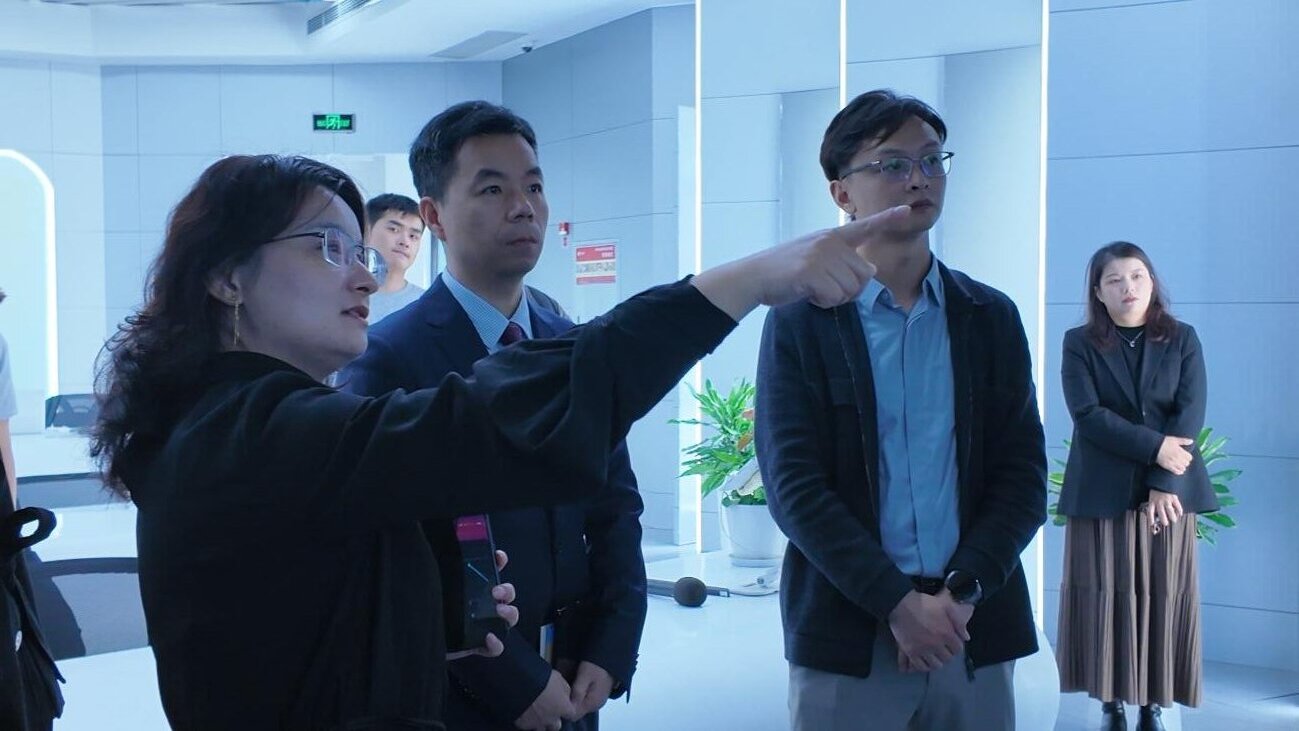
On the morning of November 11, the ICARE delegation visited Shanghai Electric Wind Power Group Co., Ltd., carrying out an in-depth exchange focusing on wind power technology and global industrial deployment.
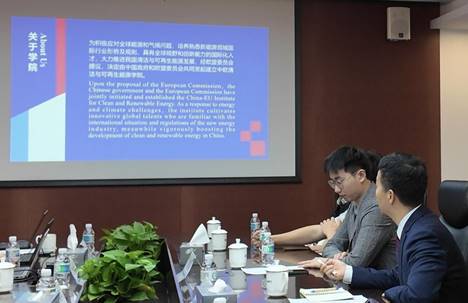
At the beginning of the visit, company representatives introduced the enterprise’s strategic planning and business achievements in global markets such as Brazil, South Korea, Japan, Vietnam, and Thailand. They also highlighted its leading position in the sector—having deployed more than 13,000 wind turbines across multiple Chinese provinces—and demonstrated how the big data center enables wind turbine monitoring, early warning, and performance optimization through data-driven approaches.
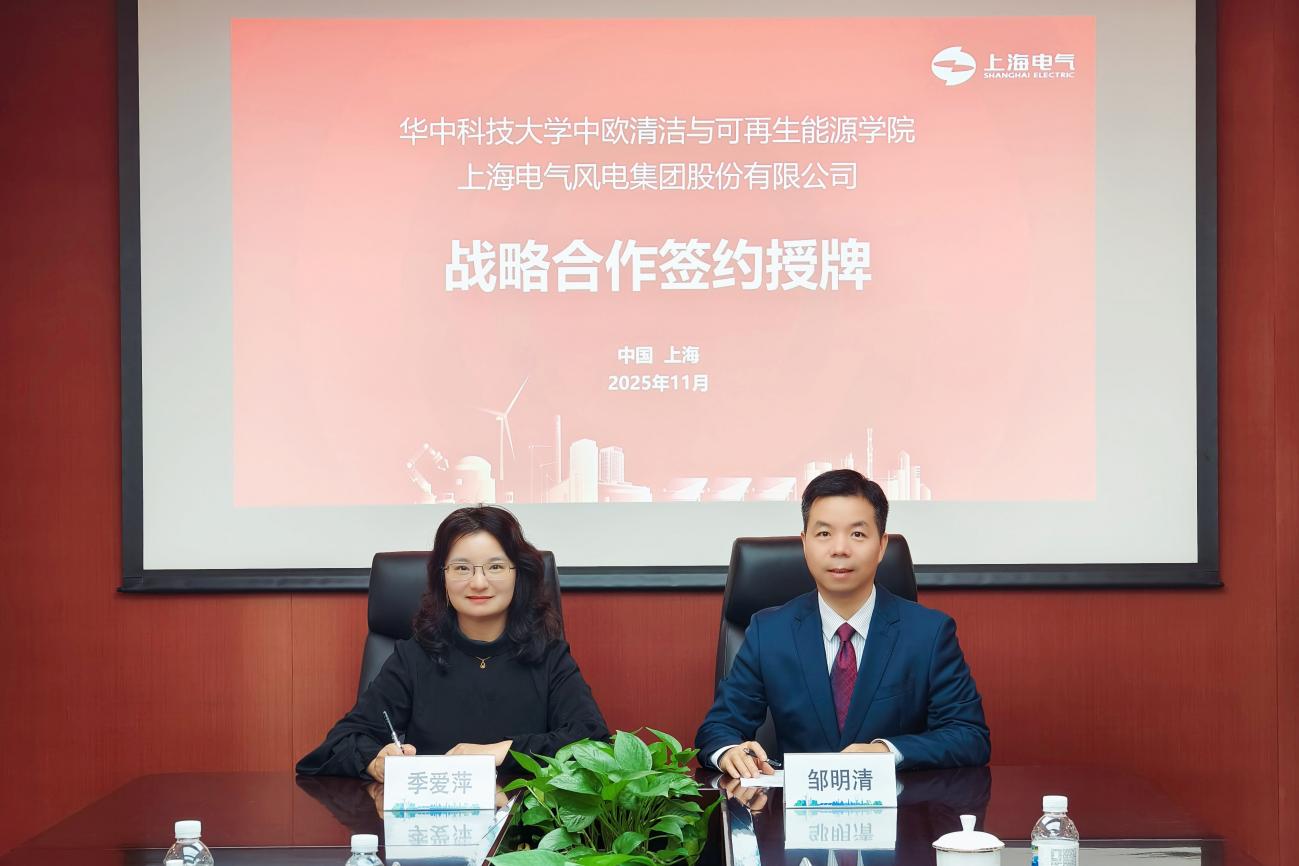
During the seminar and exchange session, Dr. Zou Mingqing introduced ICARE’s disciplinary strengths, program characteristics, and achievements in talent cultivation in the field of renewable energy. Senior representatives from Shanghai Electric Wind Power highly praised ICARE students’ innovative abilities and professional competence, noting that these qualities align with the company’s talent needs. They expressed strong interest in deepening scientific research cooperation and jointly cultivating future talent. At the end of the session, a strategic cooperation signing and plaque-awarding ceremony was held.
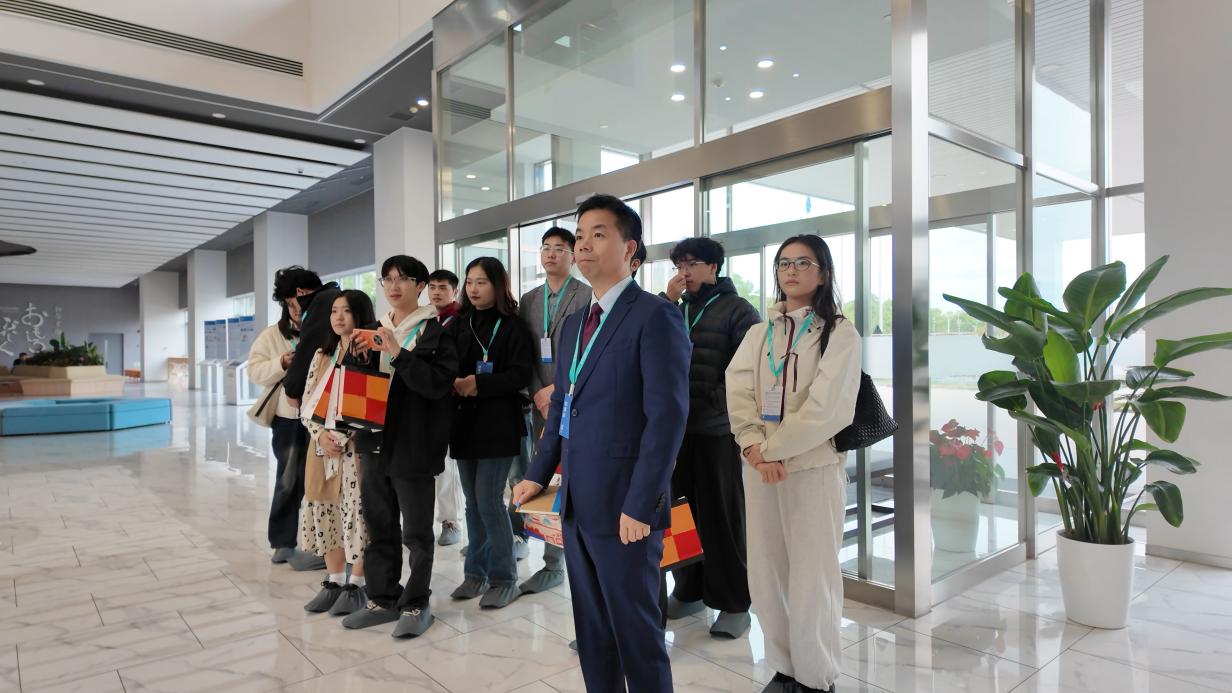
On the afternoon of November 11, the delegation visited HORIBA Instruments (Shanghai) Co., Ltd., beginning an in-depth visit combining technological exploration and industrial insight.
The HORIBA team warmly welcomed the faculty and students, introducing the company’s “5C” strategic philosophy, the global operations of its five major business divisions—including automotive and medical care—along with its corporate culture and employee training system. They highlighted technological breakthroughs in the hydrogen energy field and presented advanced facilities and technical solutions such as the MIRA full-vehicle laboratory.
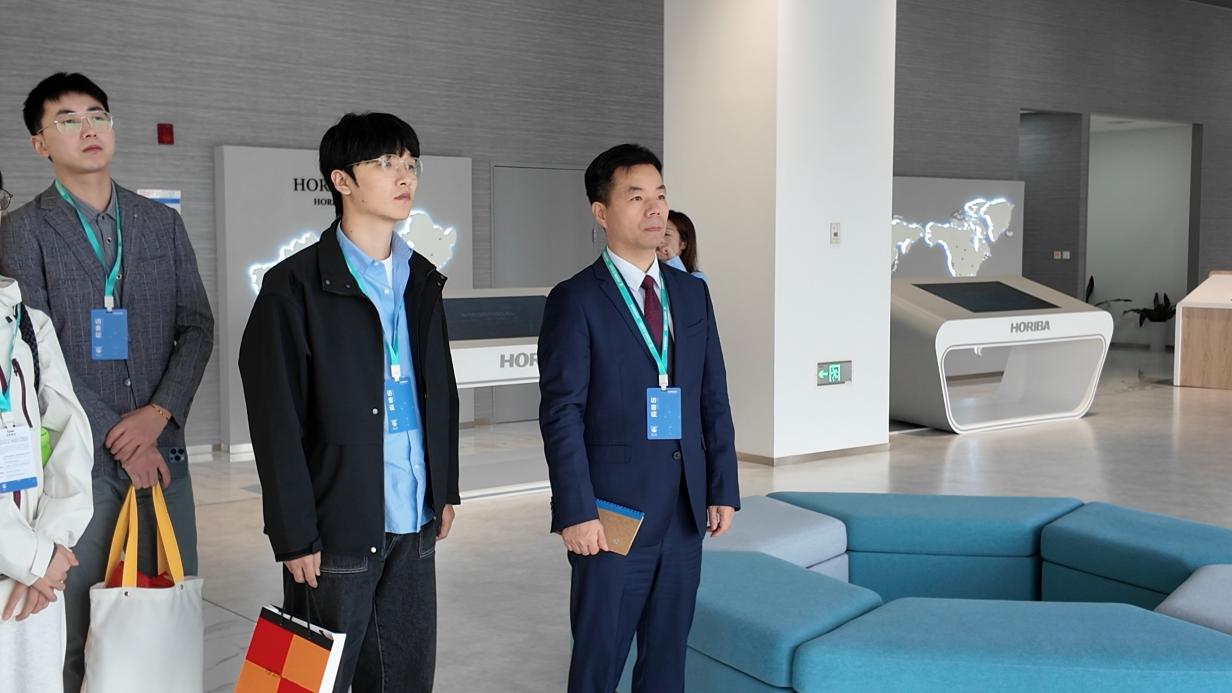
Later, the delegation visited the Advanced Application Development Center. Equipped with core instruments in multiple fields, including optical spectroscopy, particle size analysis, and gas analysis, the center demonstrated HORIBA’s strong capability to collaborate closely with scientific research institutions and enterprises in joint project development.
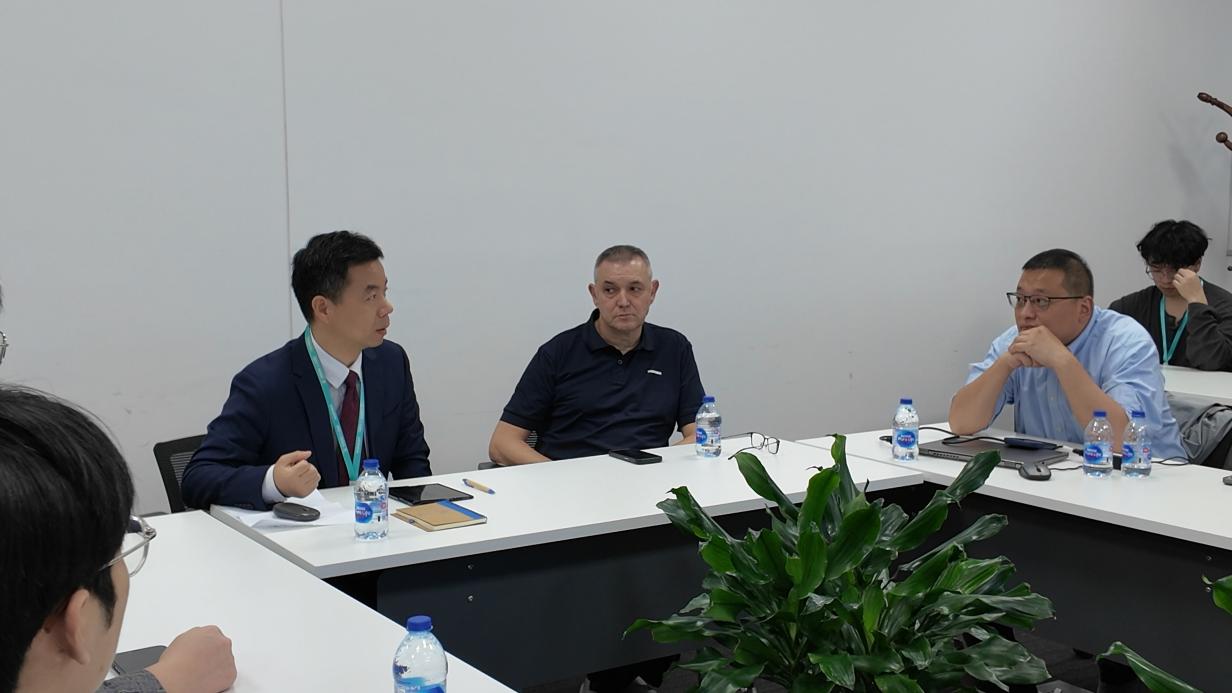
A cooperation forum was then held to explore possible directions for future industry–university–research collaboration. Dr. Zou introduced ICARE’s program strengths, disciplinary advantages, and talent cultivation practices. He emphasized that such in-depth visits help track industry development trends and employer needs, and that establishing strong ties for joint talent development will further improve ICARE’s training system. Frank Dhalenne, Department Manager of HORIBA Instruments (Shanghai) Co., Ltd., highly commended the performance of ICARE students during their internships at HORIBA and praised their innovative mindset and professional skills. Both parties exchanged views on deepening future cooperation and joint talent development.
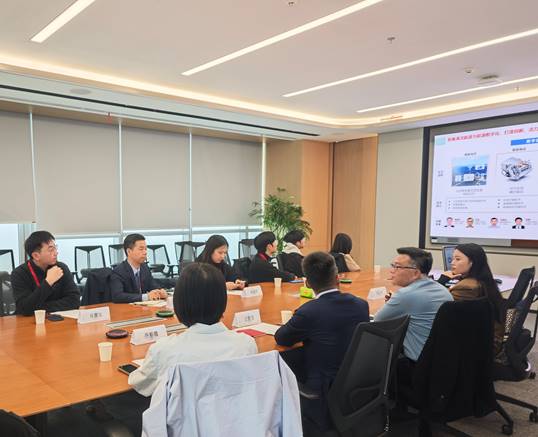
On November 12, the delegation visited Huawei Shanghai Co., Ltd. Located in Zhaoxiang, Qingpu District, Huawei’s Digital Energy Grid-Forming Energy Storage Platform Application and Testing Center ranks among the top private enterprises in simulation and testing capabilities. Engineers introduced the platform’s ability to conduct comprehensive testing and evaluation of new energy grid connections, simulate grid operations, and verify control algorithms. They also explained the laboratory’s industry contributions and the company’s talent needs while responding to students’ questions about skill development and career expectations.
Subsequently, under staff guidance, faculty and students visited Huawei’s three industrial-grade process platforms. These platforms respectively support mass production, breakthroughs in automotive-grade reliability, and the large-scale application of third-generation semiconductors. The staff encouraged students to embrace R&D, focus on details, work at the frontline, and participate in exhibitions and academic conferences to broaden their horizons and improve their problem-solving abilities.
In the afternoon, the delegation continued to Huawei’s Lianqiuhu R&D Center, located in Xicen Town, Qingpu District—at the eastern end of the Xicen Science and Technology Innovation Center, a pilot zone for integrated development in the Yangtze River Delta. The center integrates multiple functions including R&D offices, laboratories, conference rooms, dining facilities, internal rail transport, and other supporting amenities.
Drawing on Qingpu’s natural landscape and cultural heritage, and leveraging the regional advantages of the Yangtze River Delta, the center has developed into a world-class science and technology park described as a “miniature classic pocket city & modern classical architecture museum”—showcasing natural scenery and cultural charm externally, while internally embodying cutting-edge technological innovation. This development reflects the pilot zone’s goals: “ecological, green, and high-quality development; cross-regional integration and innovation leadership; and a world-class water-town living environment.”
On the morning of November 13, the delegation visited Envision Energy, a global leader in green technology, holding in-depth discussions on clean energy innovation, talent development, and university–enterprise cooperation.
During the meeting, Envision representatives introduced the company’s forward-looking strategies and development trends in smart wind power, energy storage, hydrogen energy, and the intelligent Internet of Things. They emphasized the role of technological innovation in promoting global energy transition and highlighted the importance of technical talent. Mao Ruijie, an ICARE graduate of the Class of 2025 and alumni representative, shared her experience transitioning from university to the workplace, emphasizing outcome-oriented thinking, systematic problem solving, and cross-team collaboration. Li Xiang, head of Human Resources, introduced Envision’s training system, rotational programs, and mentorship mechanisms for new employees, reflecting the company’s talent philosophy: “Technology Drives Growth, Talents Lead the Future.”
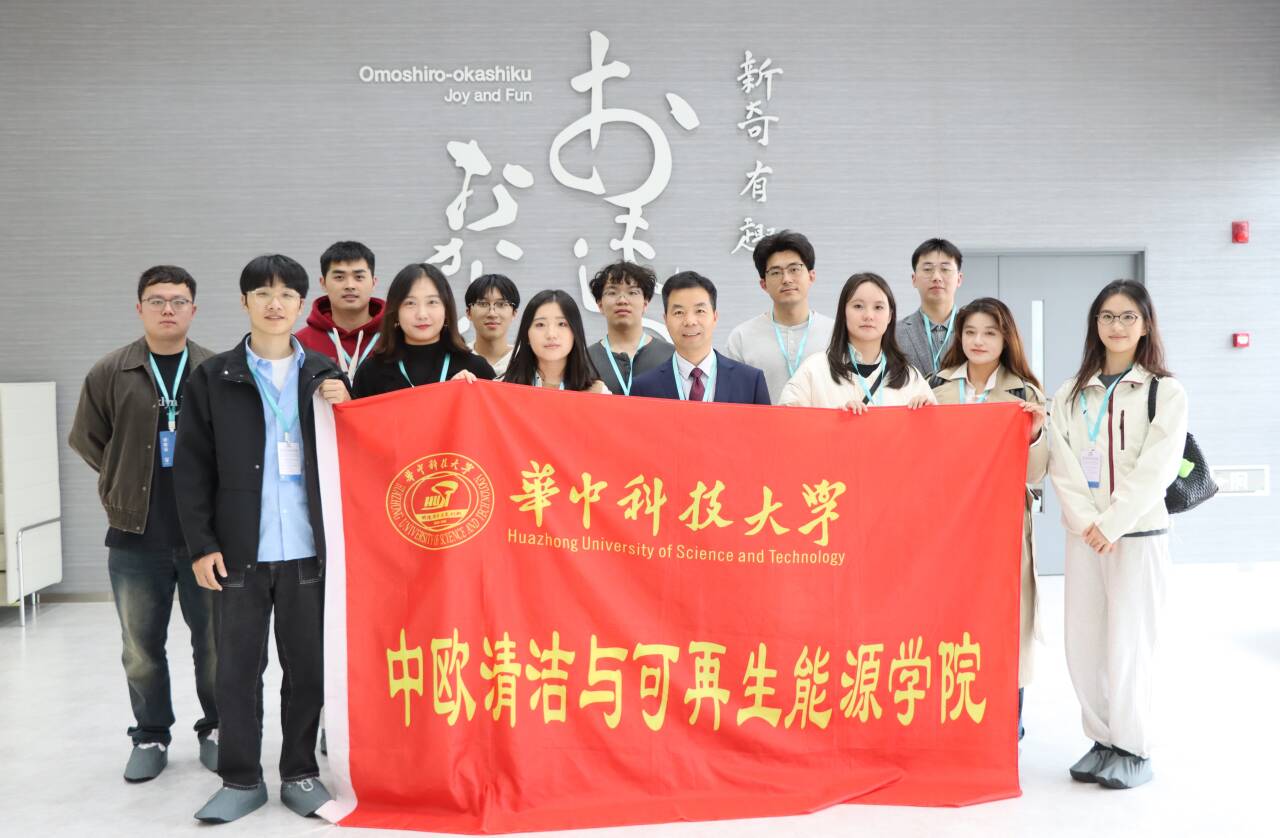
During this “Enterprise Cooperation and Job Expansion” initiative, the delegation conducted in-depth discussions and reached consensus on cooperation in areas such as scientific research in the new energy field, joint training of innovation and entrepreneurship talent, and the co-construction of internship and practice bases. ICARE remains committed to meeting the development needs of the renewable energy industry, with high-quality talent cultivation at its core, and continues to strengthen ties with leading enterprises. Taking this visit as an opportunity, ICARE will further expand employment channels in the new energy sector, enhance alignment between its training system and industry needs, and adopt multiple measures to deliver highly skilled graduates—supporting high-quality employment and contributing youthful strength to the green and low-carbon transformation of the industry.