On November 6, 2025, ICARE hosted Dr. Daria Vladikova, Professor at the Bulgarian Academy of Sciences and Trakia University, and Chair of the Scientific Committee of the Bulgarian Hydrogen, Fuel Cells and Energy Storage Association, for an academic lecture titled “Hydrogen Technology Deployment in the EU and Bulgaria – From Policies, Technologies to Education.” Nearly 100 professors and students from various countries joined the event both online and offline.
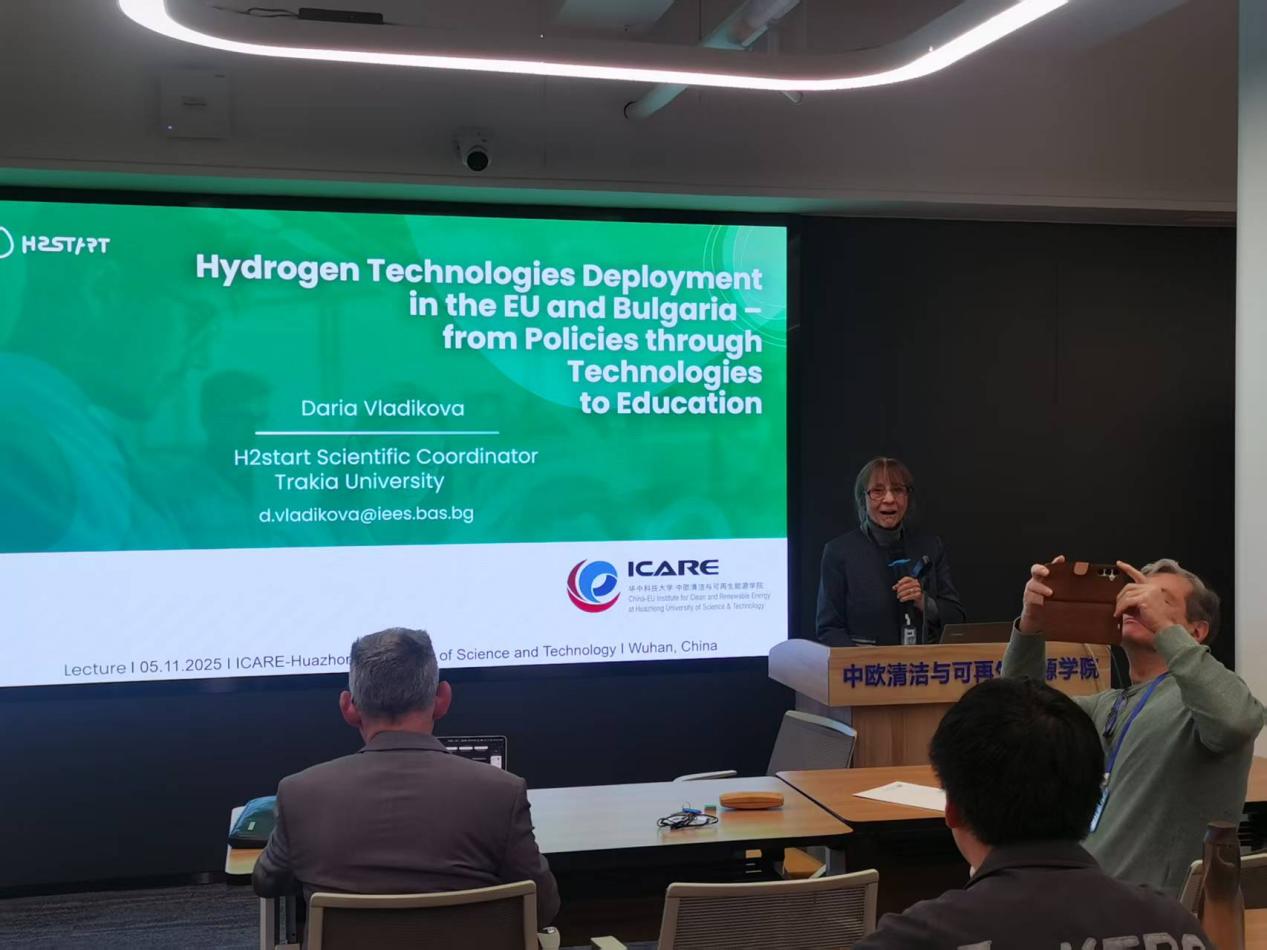
Professor Daria has long been engaged in electrochemistry and energy systems research. She serves as the Scientific Coordinator of the European Teaming Project H2start, which aims to establish a Center of Excellence for Hydrogen Technologies. She has extensive expertise in hydrogen energy R&D, policy development, and talent cultivation. In her lecture, she highlighted the central role of hydrogen in the global carbon-neutrality process, emphasizing the advantages of green hydrogen—particularly for hard-to-abate sectors such as heavy industry, long-distance transport, and aviation—as well as its importance in balancing intermittent renewable energy sources such as wind and solar power.
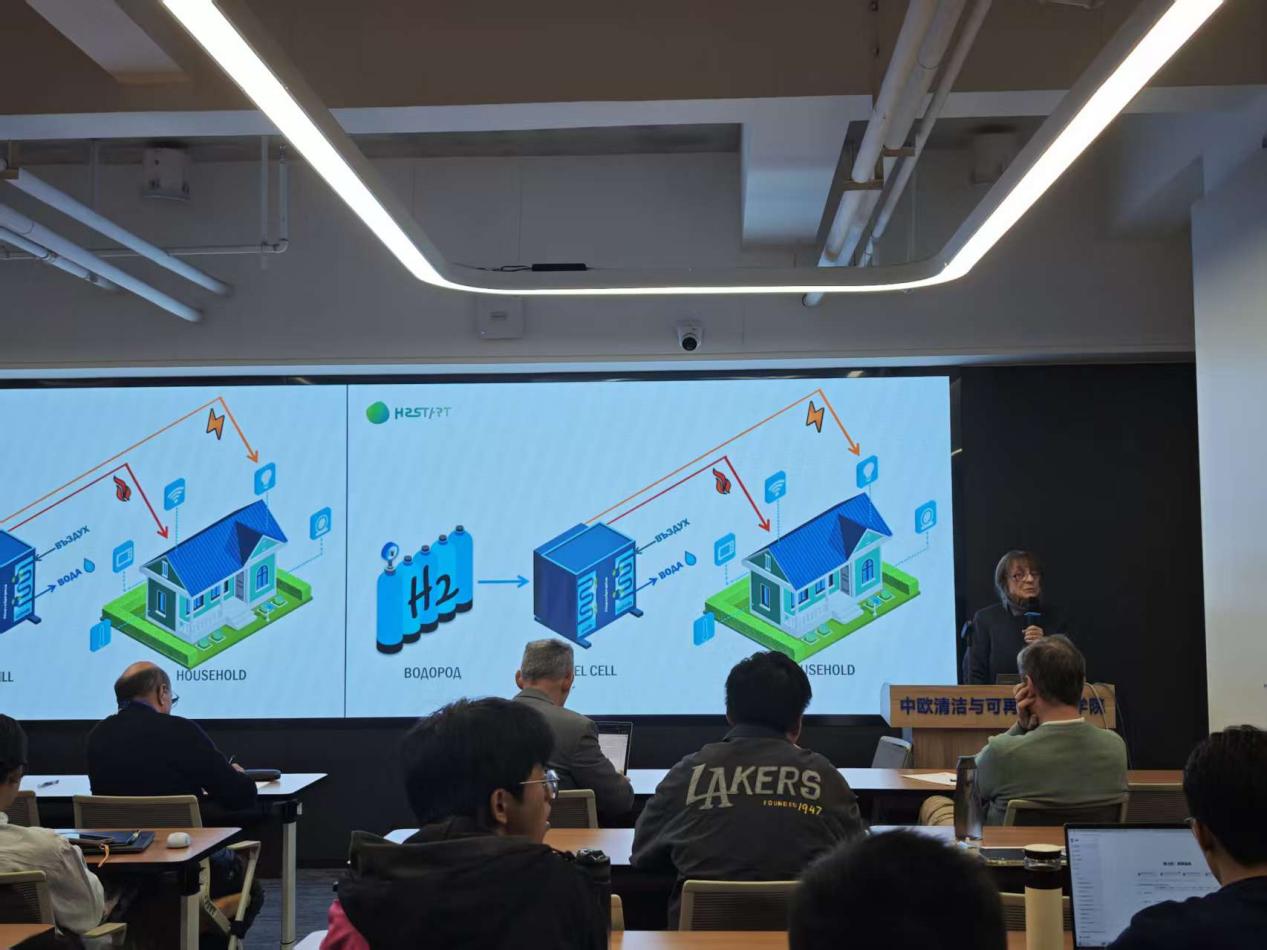
Focusing on the EU’s hydrogen strategy, she explained how policy documents, cross-border cooperation mechanisms, and infrastructure investments collectively support the growth of the hydrogen industry. She noted that a major bottleneck remains the shortage of skilled professionals: the EU will require at least 180,000 qualified hydrogen-energy specialists by 2030. In response, the EU has launched major educational initiatives—such as GreenSkills4H2 and H2Academy—to build a comprehensive hydrogen talent-training network through standardized curricula, practical training, and international exchanges.
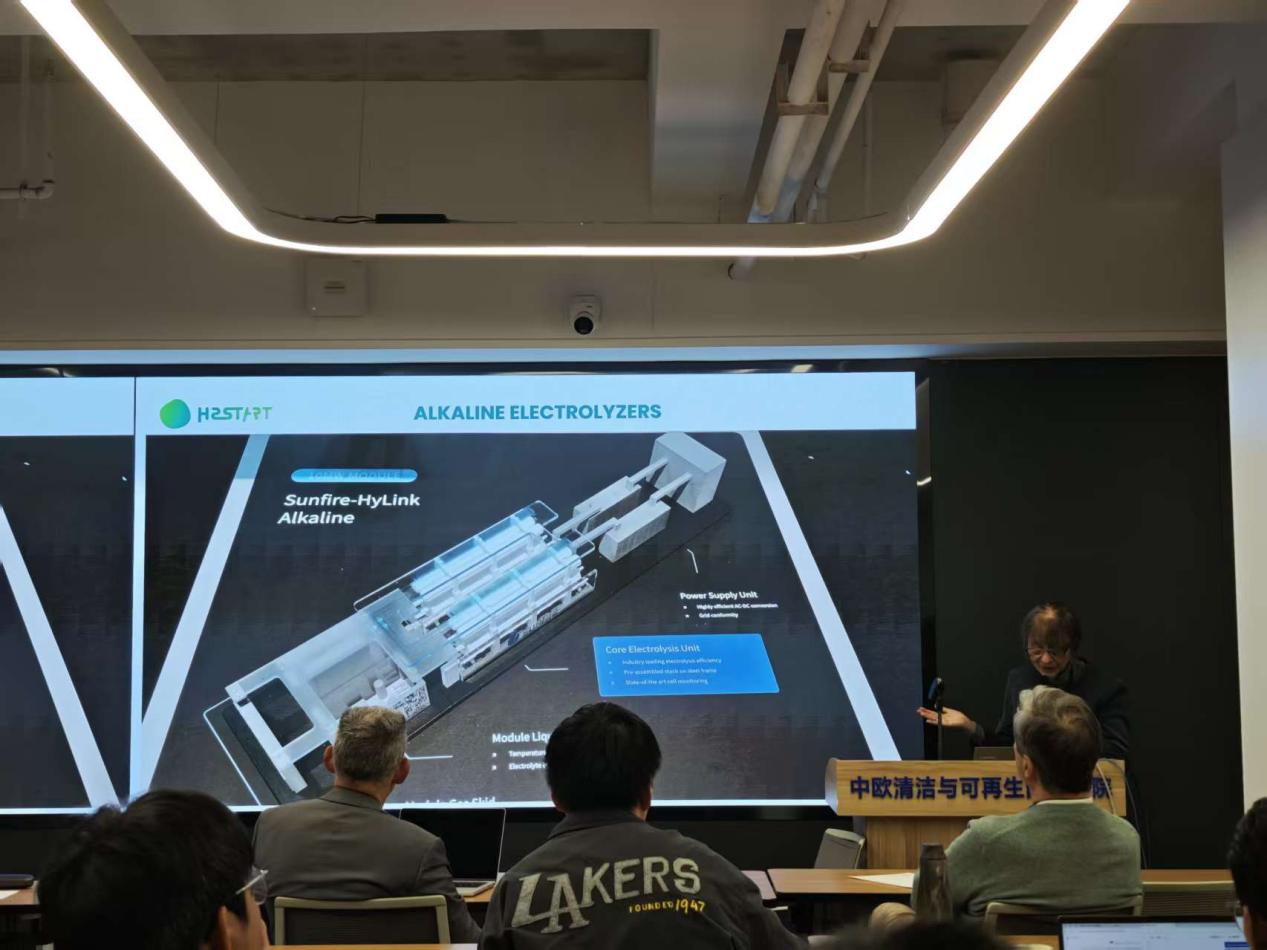
Professor Daria also shared Bulgaria’s experience establishing the H2START Center of Excellence with EU funding. Bulgaria is integrating hydrogen-related content across primary, secondary, vocational, and higher education through cross-sector cooperation and system-wide reforms, aiming to become a regional hub for hydrogen research, innovation, and education.
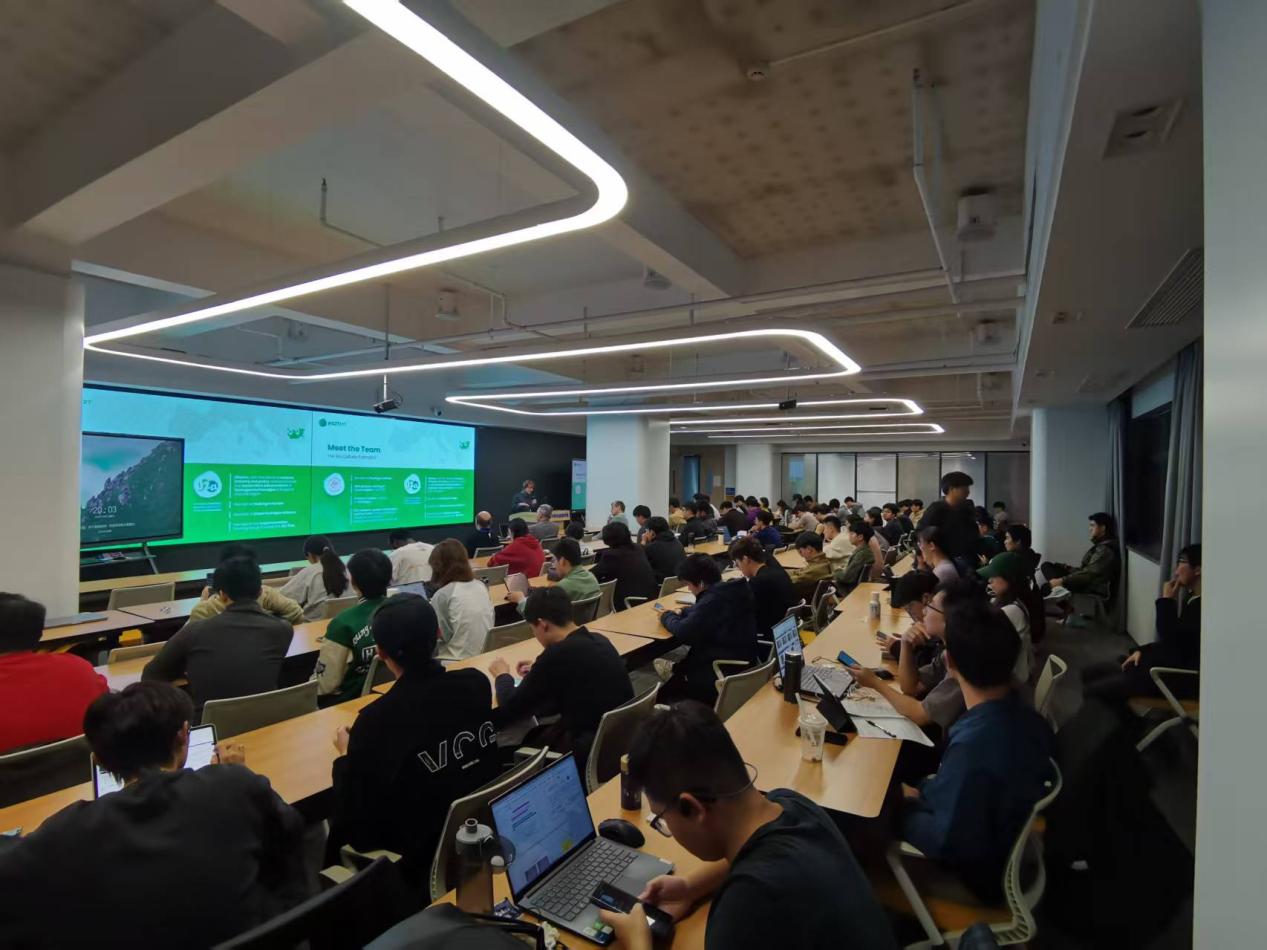
In conclusion, she emphasized the broad cooperation potential between China and the EU—both major drivers of global hydrogen development—in research, technology transfer, and talent cultivation. She encouraged institutions from both sides to work together to address technological bottlenecks and strengthen the global hydrogen talent ecosystem.
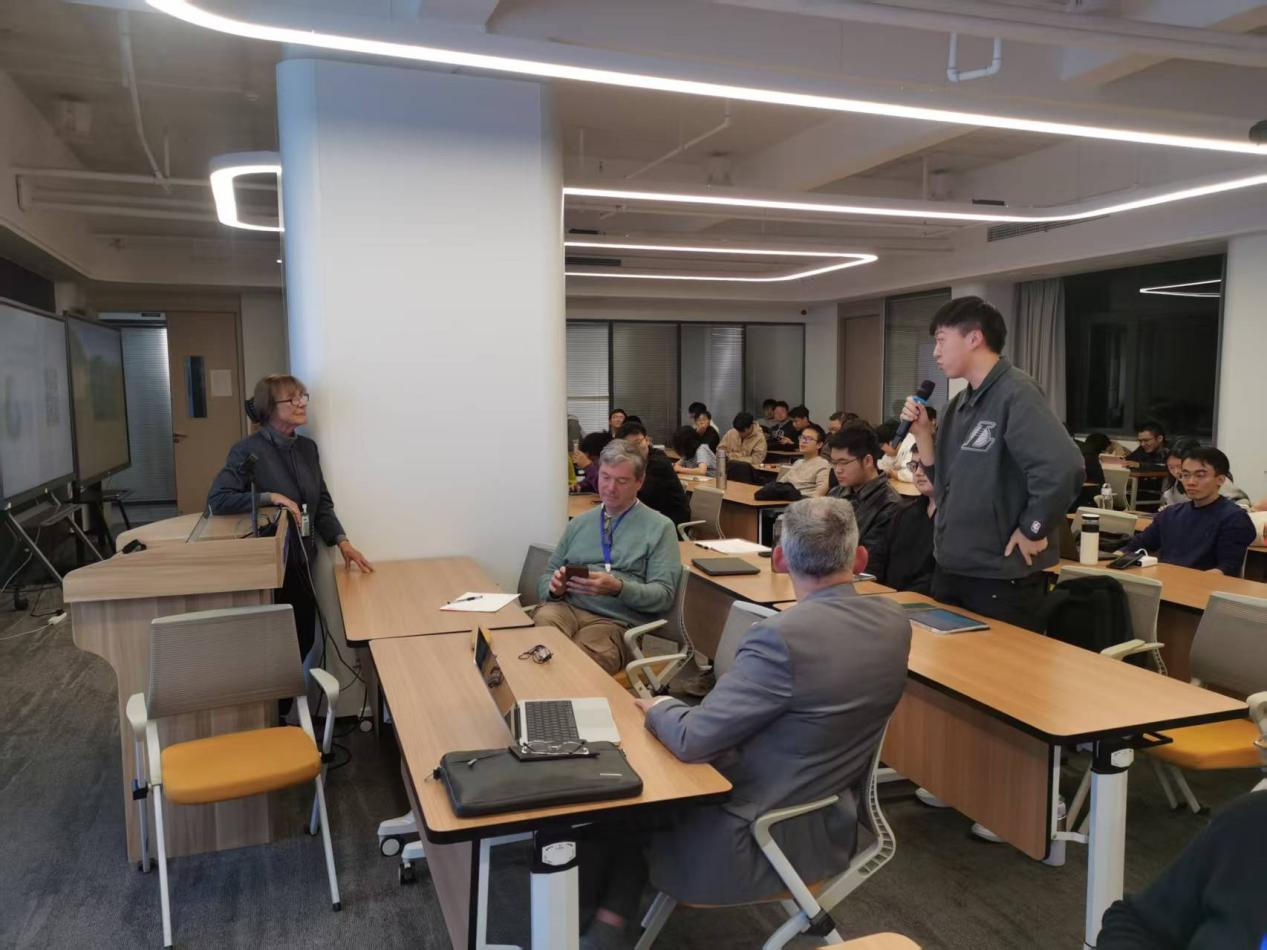
During the interactive session, professors and students engaged in in-depth discussions with Professor Daria on practical challenges in hydrogen deployment, differences between Chinese and European education systems, and university-industry talent-training models. The lecture not only connected ICARE to cutting-edge international research, but also provided valuable references for future collaboration and talent development in hydrogen energy. It further strengthened ICARE’s international academic engagement and contributed to advancing scientific research and discipline development.