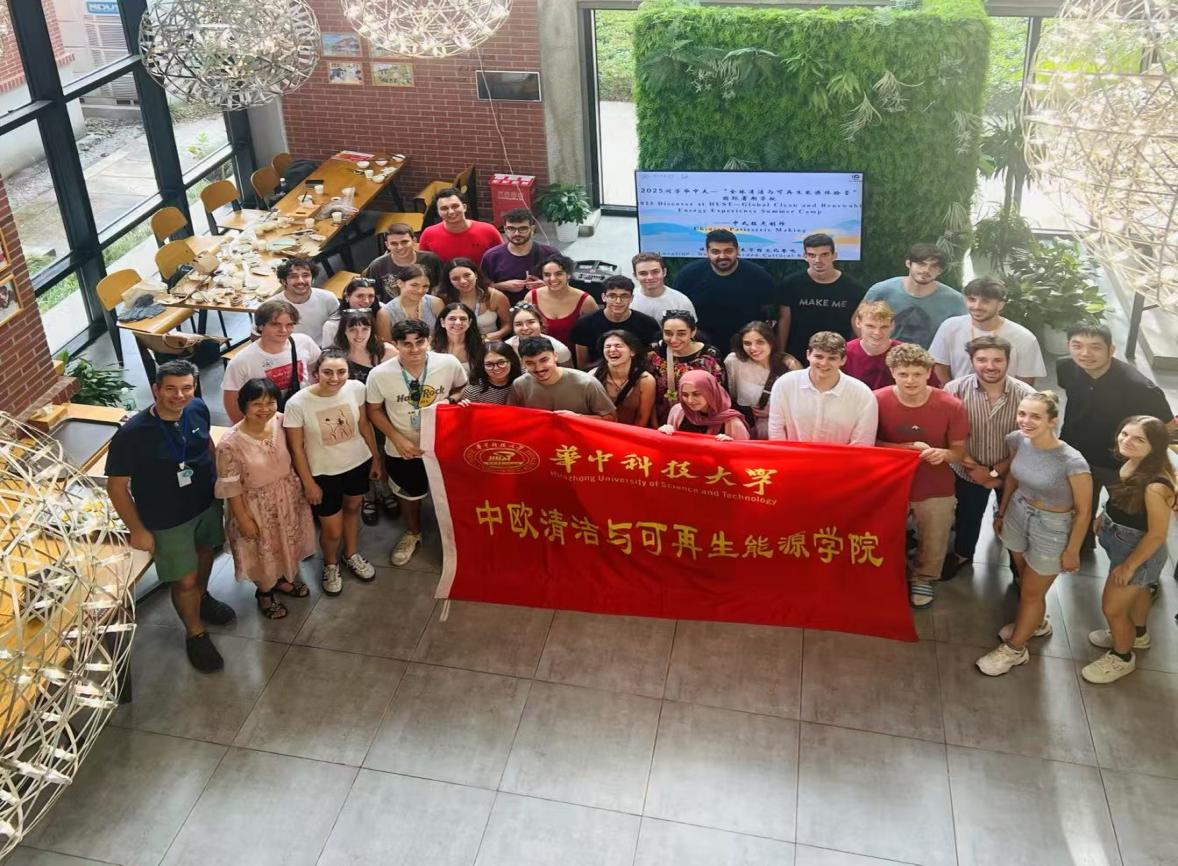
Recently, the “Discover at HUST—Global Clean and Renewable Energy Experience Summer Camp” concluded successfully. Through various forms such as participating in academic lectures, visiting laboratories, conducting research at leading enterprises, and experiencing traditional Chinese culture, the event focused on the technological breakthroughs and development trends in China’s clean energy sector. It also broadened participants’ international perspective in the field of new energy and built a bridge for multi-cultural communication.
This summer camp integrated distinctive cultural experience programs, including traditional Chinese opera performances, martial arts practice, dumpling making, and tea ceremony appreciation. These immersive activities not only enriched the campers’ cultural horizons but also demonstrated unique value in promoting cultural exchanges, inspiring innovative thinking, and conveying the concept of green living.
On the afternoon of July 14, the Chinese language class for international students officially began. In the class, Ms.Li Li, a staff member of ICARE, took the millennium-long evolution of Chinese characters as a thread to weave a cross-temporal cultural dialogue. From the mysterious symbols of oracle bone inscriptions to the neat and upright form of regular script, the historical context was unfolded slowly. This not only helped international students systematically understand the evolution history of Chinese characters but also opened the door to their journey of exploring Chinese characters.
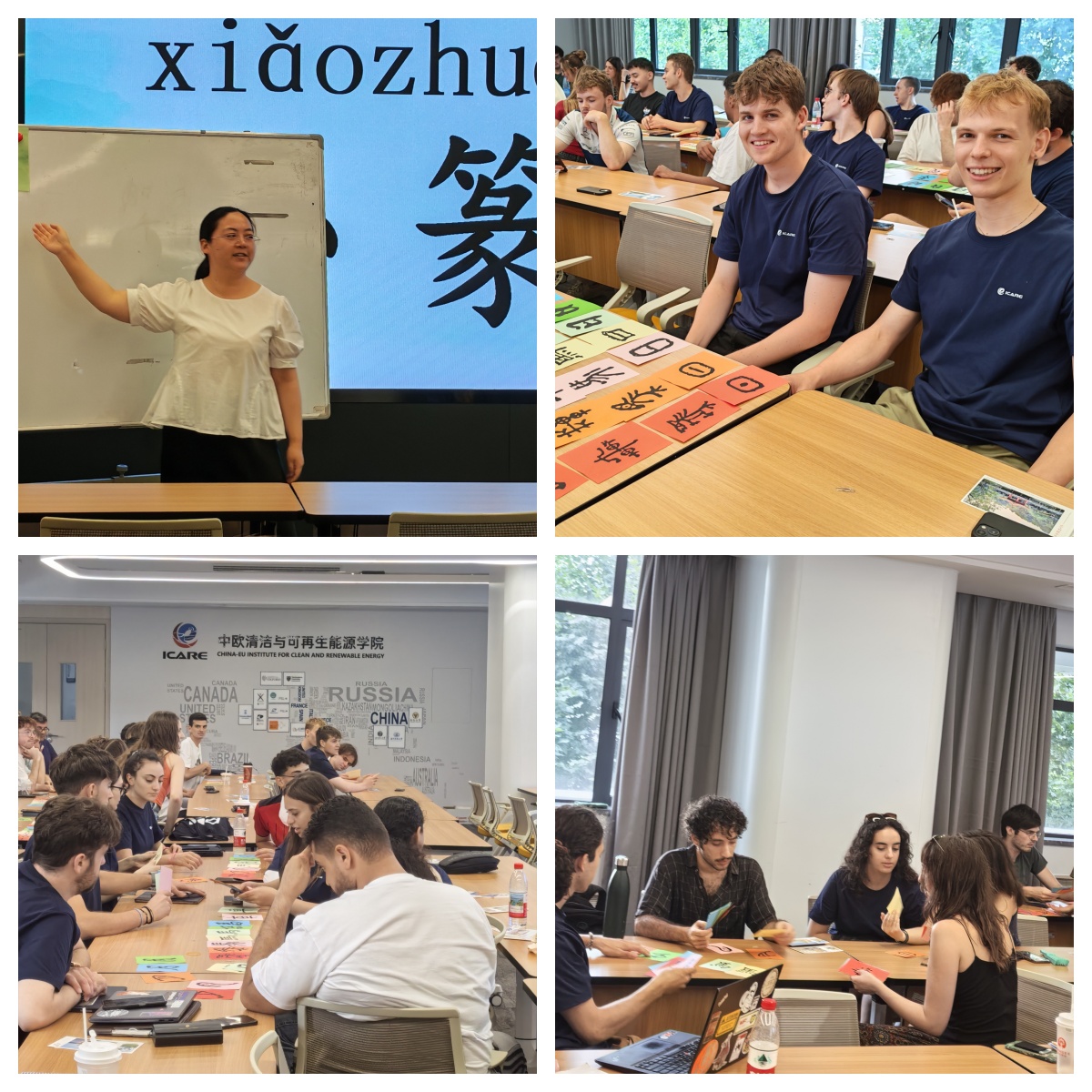
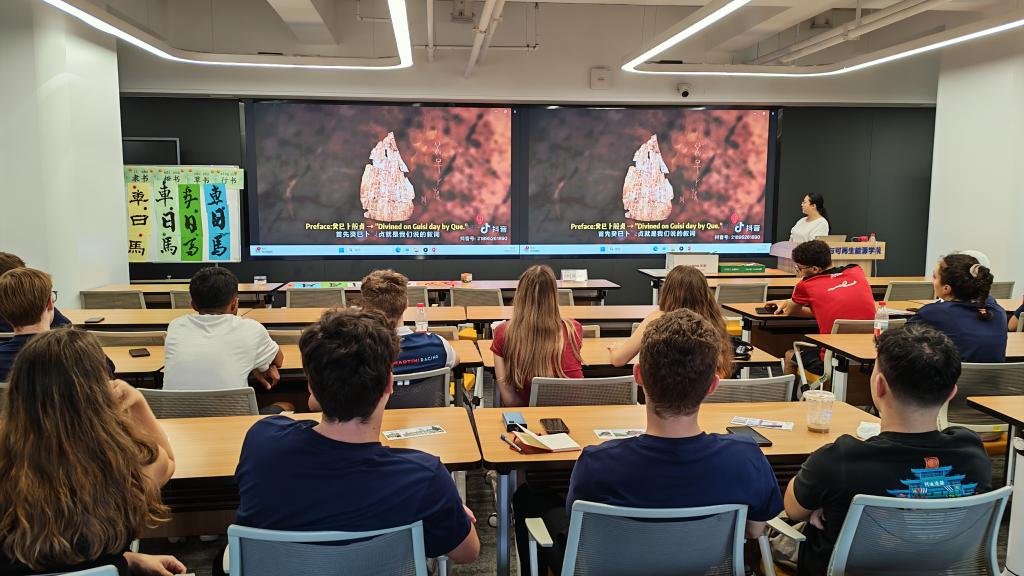
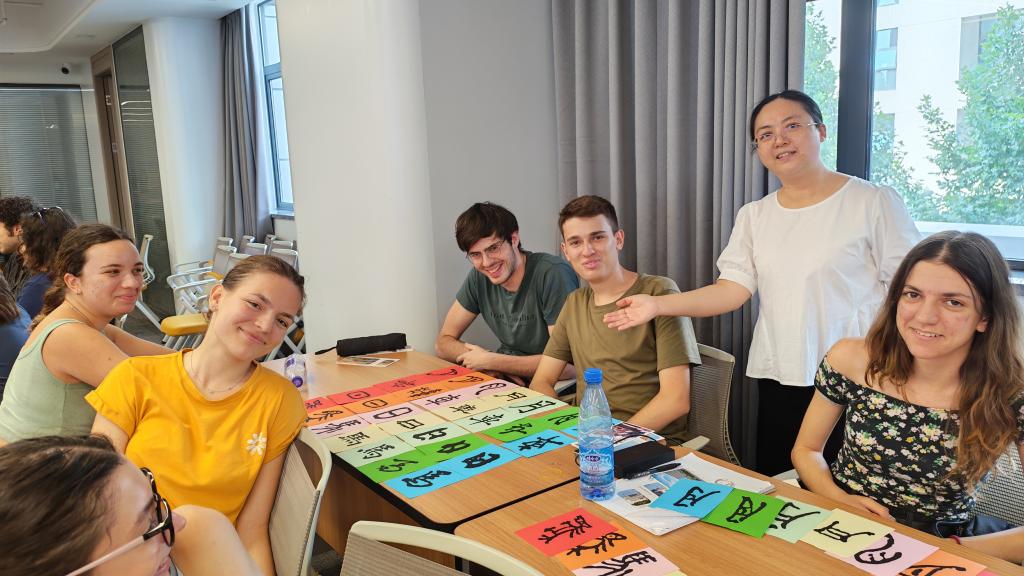
Professor Cheng Bangxiong from the School of Chinese Language and Literature of HUST, as well as Georgios Karalis, European professor of ICARE from Athens, Greece, also attended and observed the entire Chinese language class. The students remained enthusiastic throughout the session. Young people from different cultural backgrounds gathered because of Chinese characters; through every stroke, every form, and every meaning, they felt the long-standing pulse of Chinese civilization, adding a vivid footnote to the promotion of cultural exchanges and mutual learning.
On the morning of July 15, campers had a close-up, immersive interaction with traditional Chinese opera in the ICARE conference room. Ms. Kou Fangling and Ms. Zheng Jing, staff members of ICARE, popularized Peking opera knowledge for the campers, explaining topics such as the origin and influence of Peking opera, the characteristics of its performance, and the facial makeup of different roles. Meanwhile, professional makeup artists randomly selected two campers to experience Peking opera makeup and costume styling.
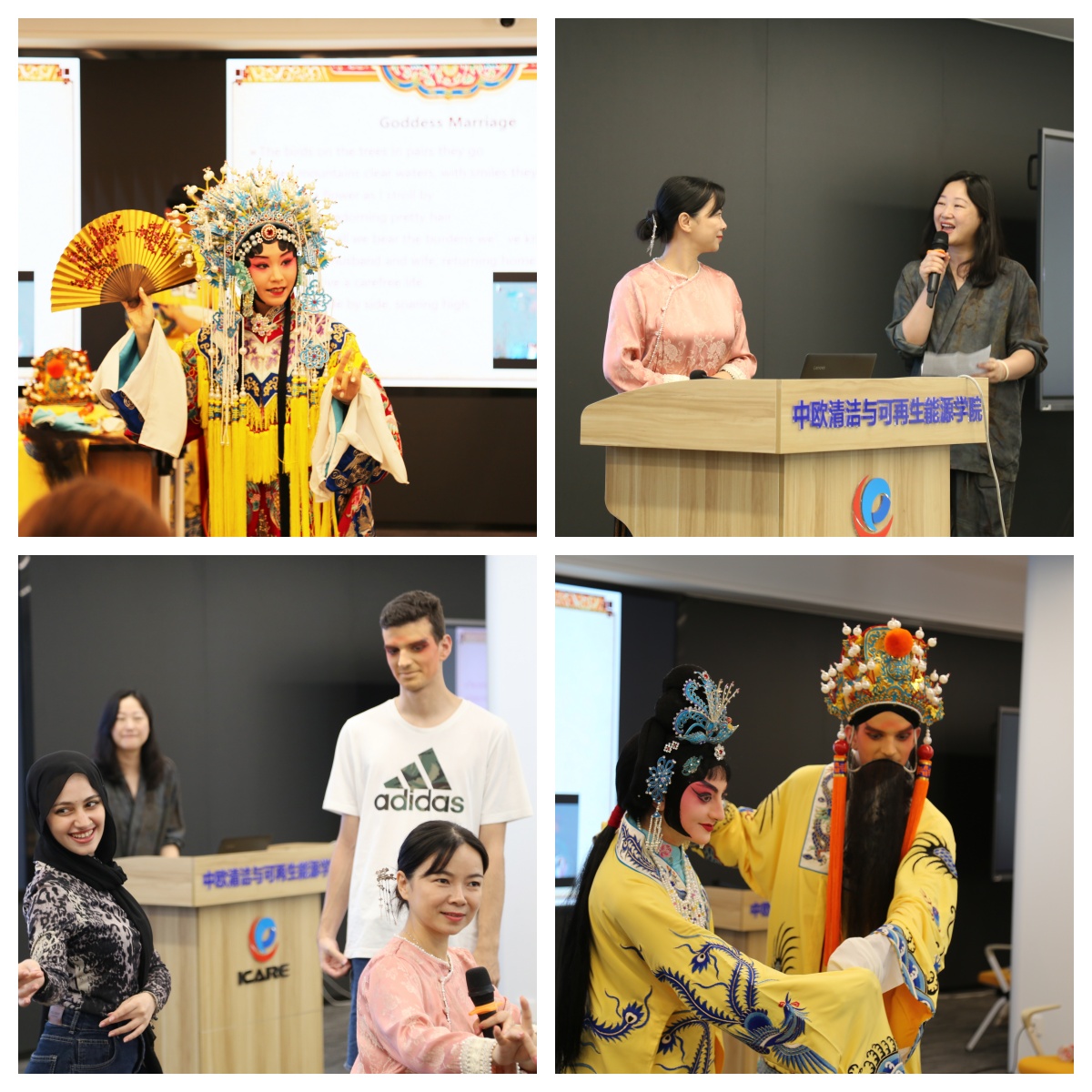
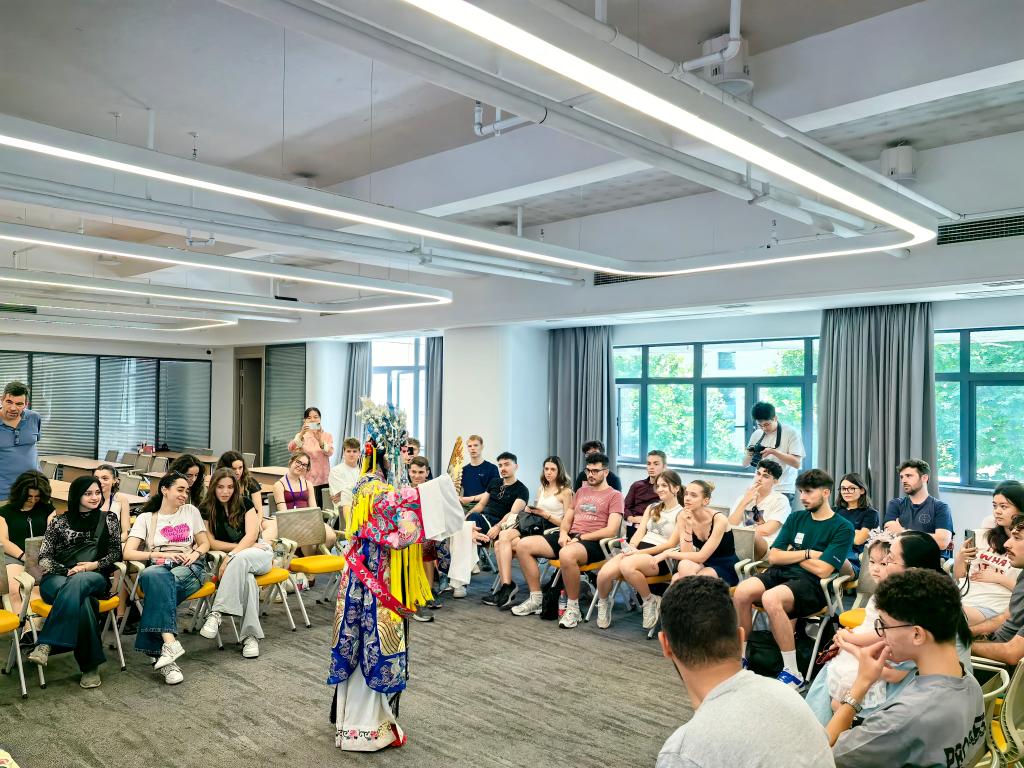
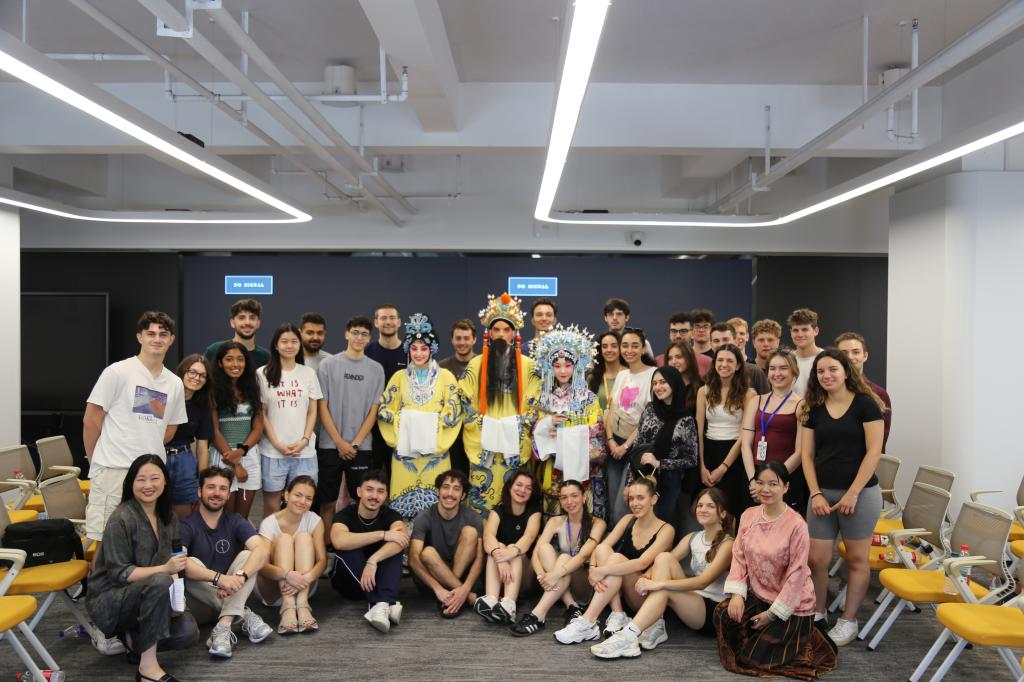
Subsequently, professional performers staged classic Peking opera excerpts, including The Drunken Concubine and Plum Blossoms Reborn. Every movement of their hands, eyes, body, and steps conveyed vivid charm, and every aspect of their singing, recitation, acting, and acrobatics showcased exquisite craftsmanship. As the performers stretched their long sleeves and moved with graceful gestures, the campers unconsciously gained an understanding of the basic elements of Peking opera—singing, recitation, acting, and acrobatics—and felt the artistic charm of traditional culture. During the experience session, the campers took turns putting on Peking opera costumes, learned opera movements from the professional performers, and took joyful group photos.
On the afternoon of July 15, a unique traditional martial arts experience event was successfully held in the Basement 1 of Guanggu Natatorium. Organized under the guidance of Zhou Jiamin and Peng Yufei, young athletes from the School of Physical Education, the event allowed campers to engage in immersive learning of traditional Chinese martial arts.
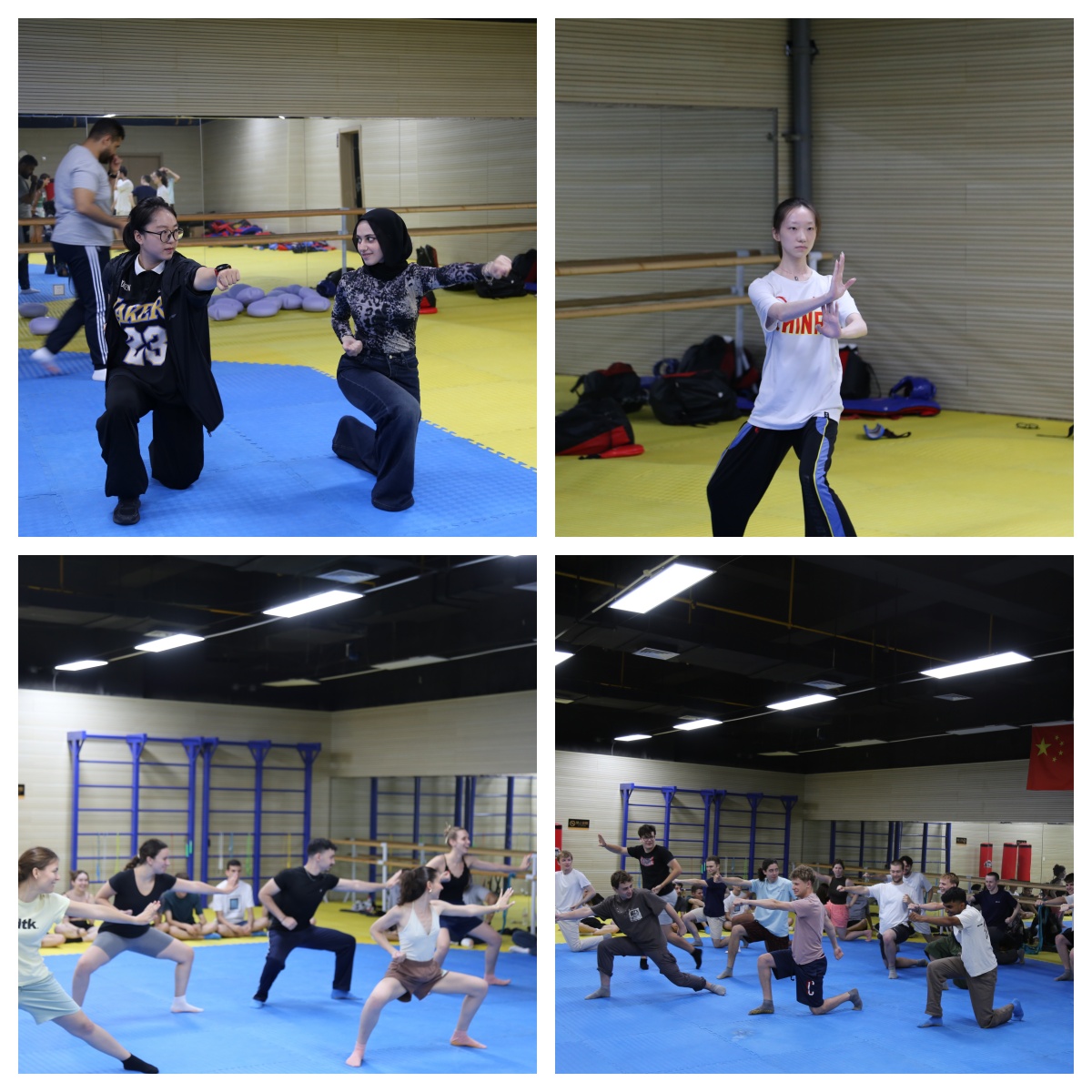
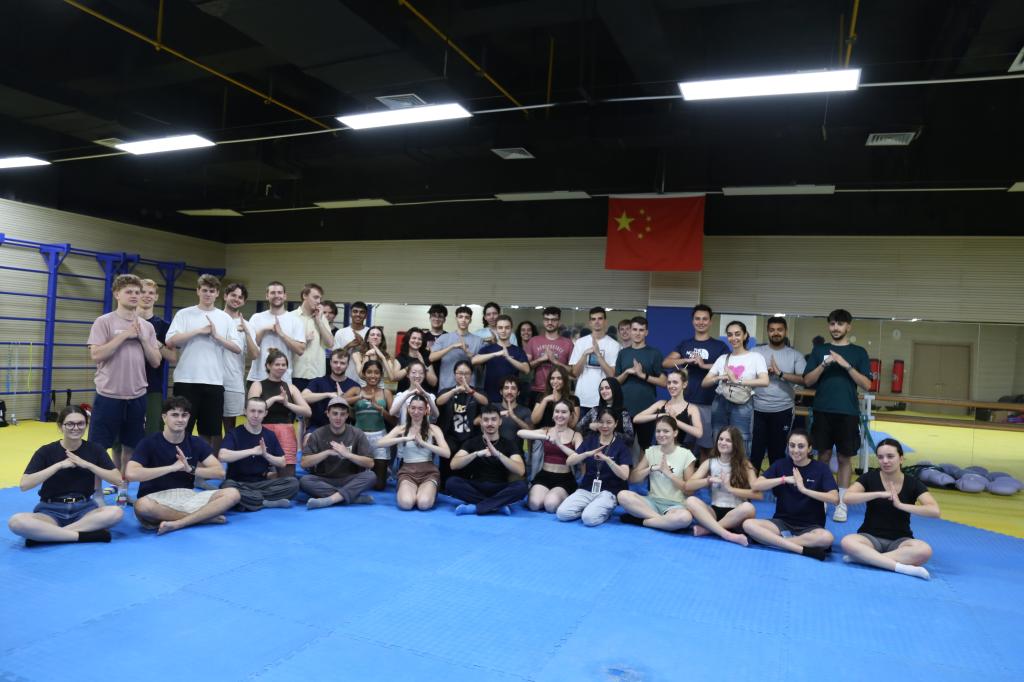
The two coaches demonstrated the breakdown of basic boxing styles such as Changquan (Long Fist) and Baduanjin (Eight-Section Brocade), and guided the campers to practice each move step by step. The campers imitated earnestly and gradually mastered the strength-exerting techniques. During group drills, some groups even added creative formations to their practice, showing their unique understanding of martial arts. Later, accompanied by melodious background music, the campers learned the complete set of Baduanjin moves from the coaches and experienced the concept of “regulating breath and blood” in traditional Chinese medicine.
Many participants stated that they had long admired Chinese martial arts and were very happy to have the opportunity to experience it up close. They also mentioned that Baduanjin has a significant effect on relieving fatigue caused by prolonged sitting and that they would continue practicing it in the future.
On the afternoon of July 20, 2025, the “Chinese Cuisine Making” experience event took place at Donghuayuan Cultural Café. Under the guidance of Li Zhitian, Xiao Chenxu from ICARE, and the café staff, campers made dumplings with their own hands, engaging in an immersive experience of the unique charm of Chinese food culture.
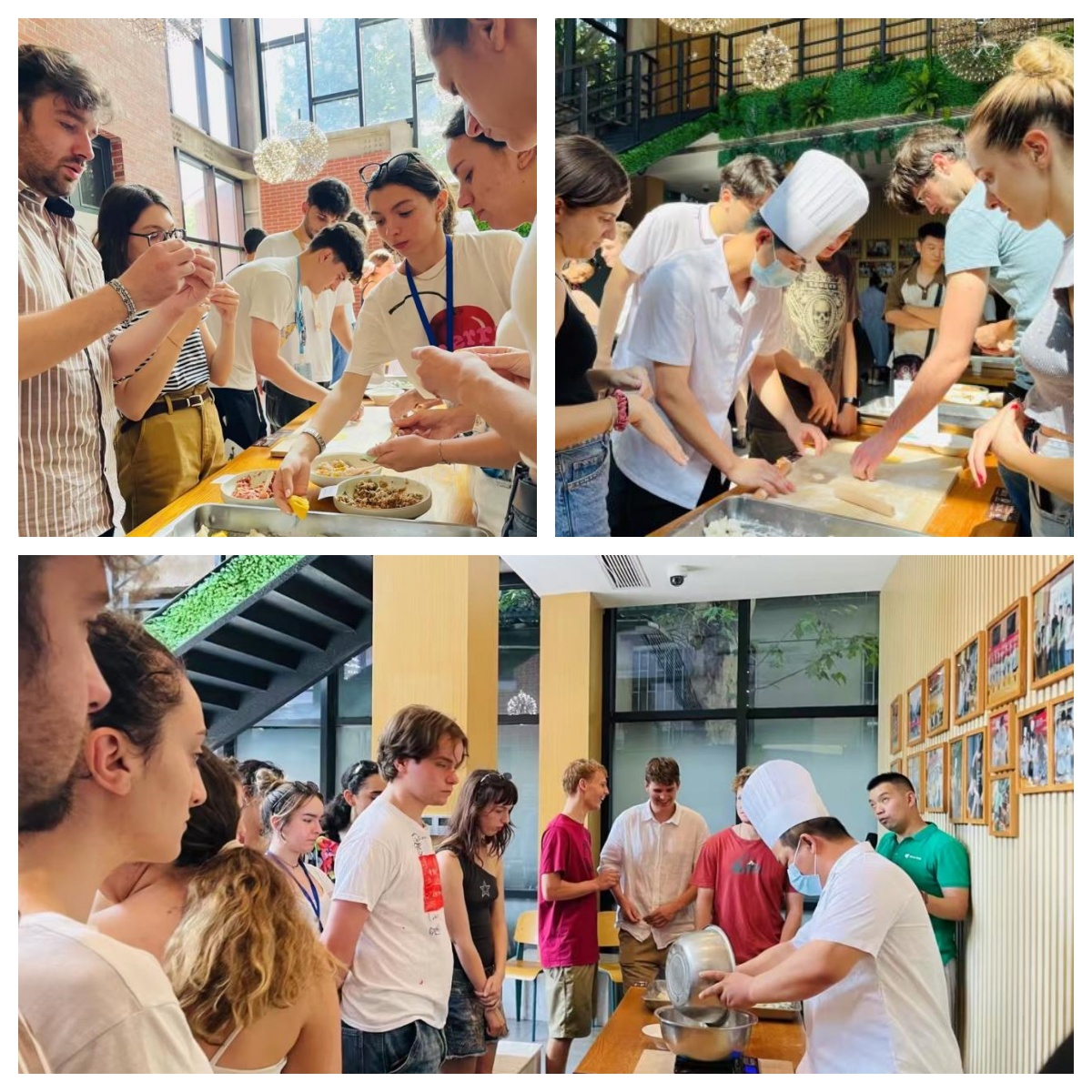
The event consisted of four key sessions: cultural explanation, on-site demonstration, creative making, and cooking &tasting. A short video introduced the historical origin and cultural symbolism of dumplings. Executive Chef Chen Feng demonstrated the complete steps of making dumplings, from kneading dough and rolling wrappers to folding and shaping the dumplings. With the chef’s one-on-one guidance, the campers finally succeeded in making “international-style” dumplings in various shapes. When the steaming dumplings were served, the distinctive aroma of vinegar and minced garlic filled the room. The campers excitedly showed off their creations, with one exclaiming, “My green dumplings are filled with shrimp—they look like jade ingots!”
The event was filled with laughter and chatter. Chinese and international faculty and students talked about culture while enjoying the food. Many students said they would take this cooking skill back to their home countries to share with their families.
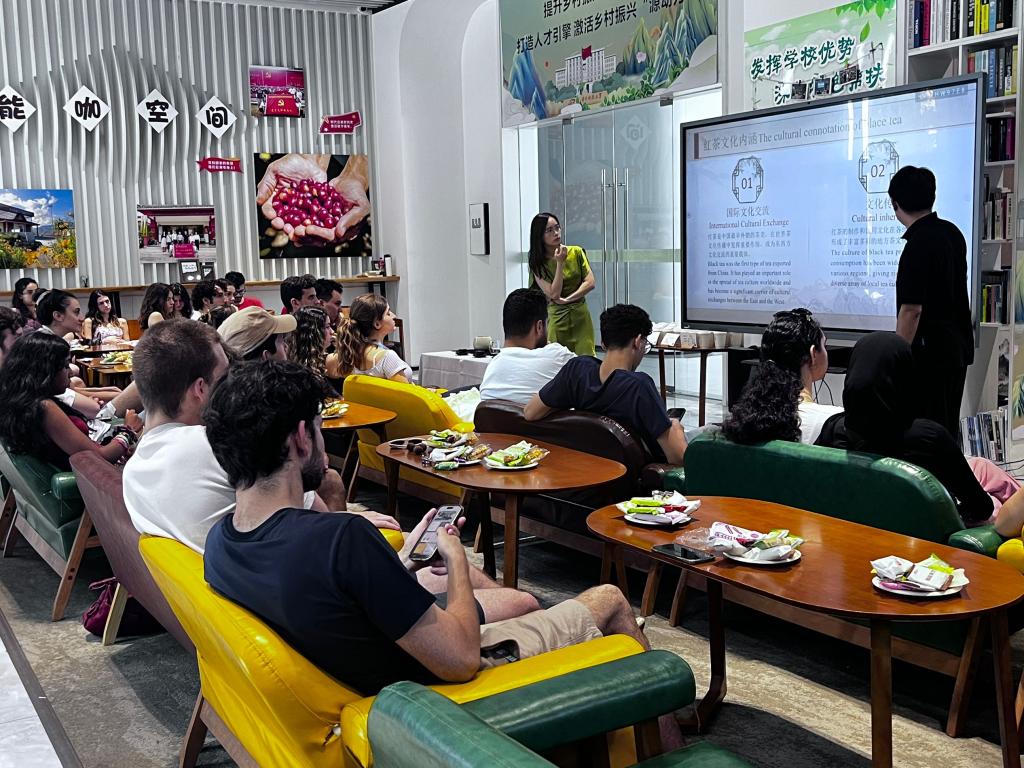
On the morning of July 21, campers gathered together at the “Energy Café ” to jointly appreciate the charm of Chinese tea culture. At the start of the event, tea artist Ma Yongzhen gave a detailed introduction to the long history and profound heritage of Chinese tea culture, as well as the origin of tea leaves, the benefits of the six major tea categories, and the etiquette of tea brewing and tasting.
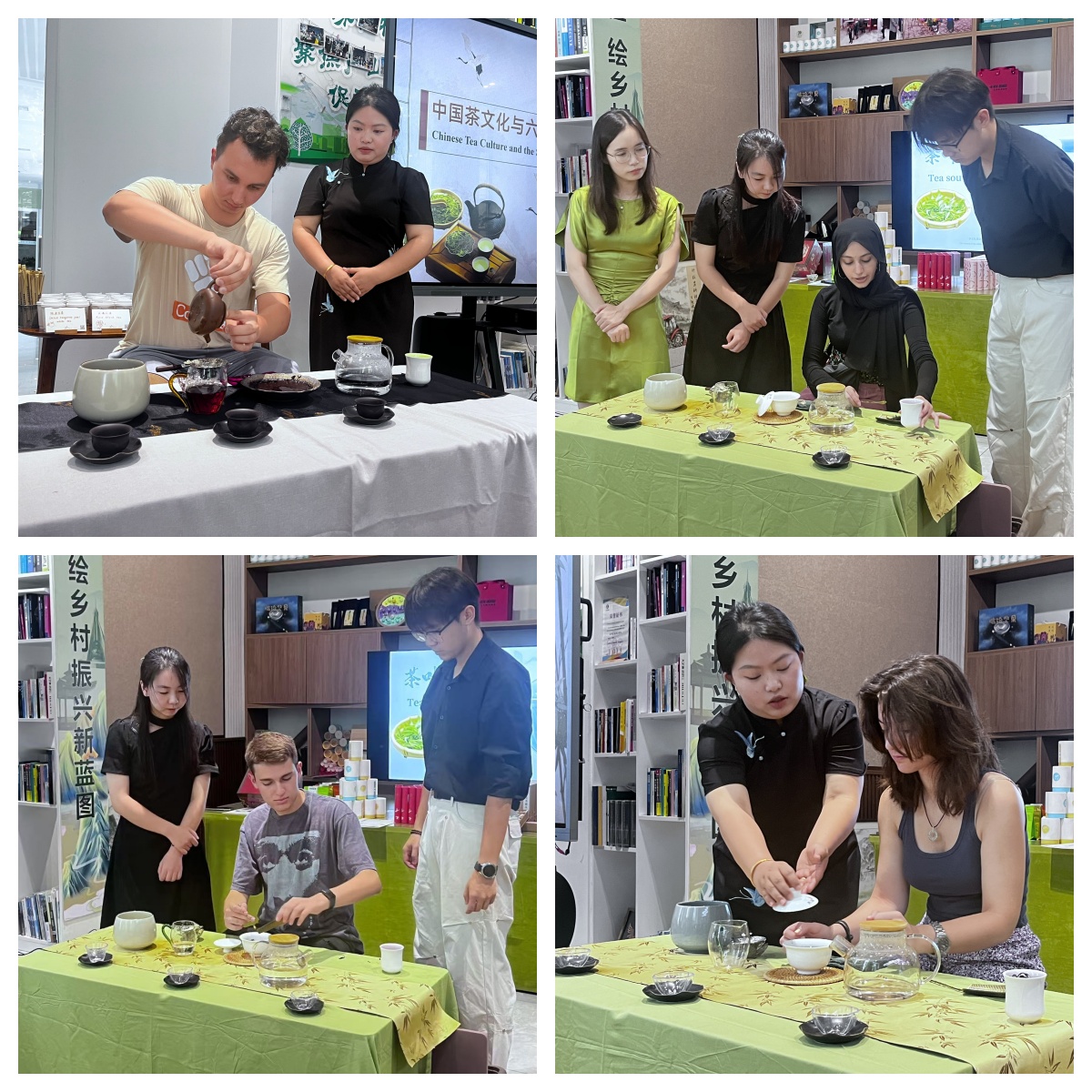
Shortly after, she demonstrated the brewing techniques of green tea and black tea on site. Each step—warming the teacups, adding tea leaves, pouring water, and serving the brewed tea—was performed with skill and elegance, embodying the demeanor of China, the world-famous “Land of Etiquette,” and drawing waves of applause. The campers then followed the tea artist’s movements to try brewing tea themselves. They were extremely focused, and the process was filled with joy. Meanwhile, they did not forget to take out their mobile phones to record these wonderful moments, hoping to bring this oriental tea charm back to share with their family and friends.
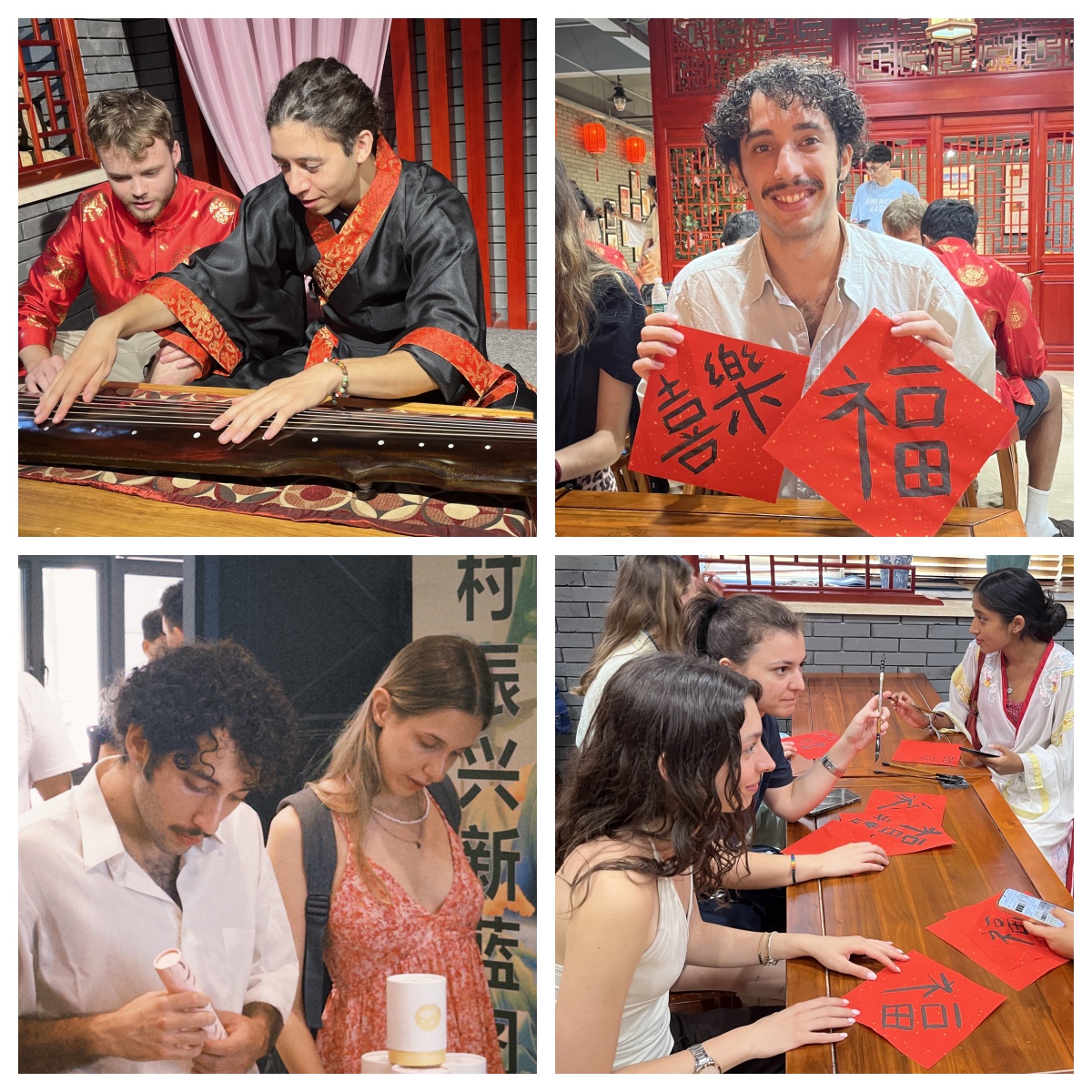
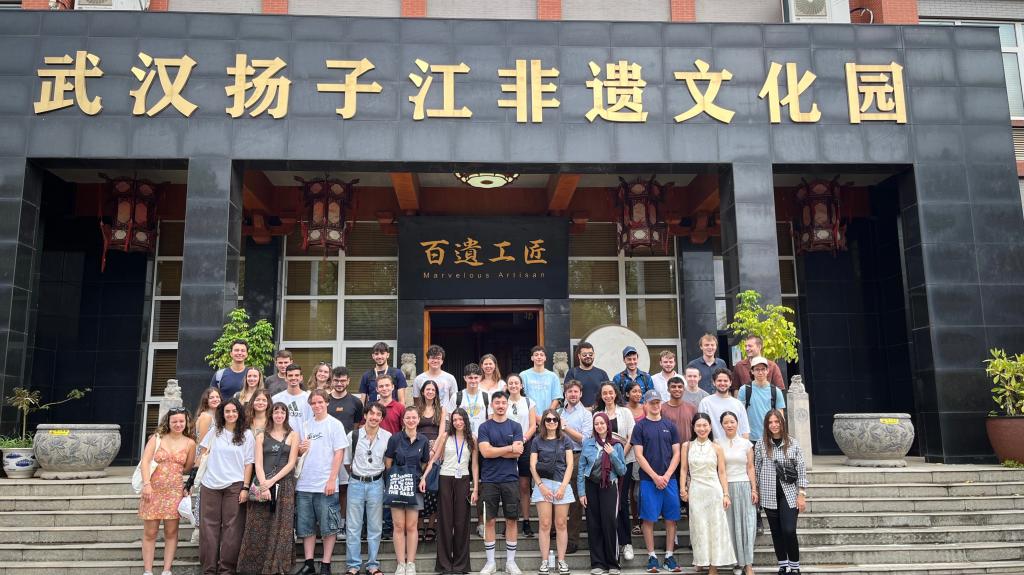
On July 22, campers visited the Yangtze River Intangible Cultural Heritage Park and participated in an immersive traditional Chinese culture experience activity. Staff from the cultural center introduced to the campers the history of Yangtze River’s traditional pastries, their production techniques, and the emotional bond that people in Hubei have with these pastries. Later, the campers worked together to knead dough, shape it, and bake—experiencing the unique feeling from the tips of their fingers to the taste on their tongues. They learned about the “culture of joy”, understanding the Chinese people’s pursuit of auspicious meanings and sincere wishes for happiness. They tried on Hanfu (traditional Chinese clothing), appreciating the etiquette and grace of China as the “Nation of Splendid Attire” and the beauty of its traditional costumes. They picked up brushes to write the character “Fu” (meaning “blessing”), realizing the neat and harmonious structure of Chinese characters and the philosophical thought of “following the laws of nature” embedded in them. They also tried cloisonné enamel crafting, marveling at the exquisite craftsmanship and magnificent beauty of this traditional art form.
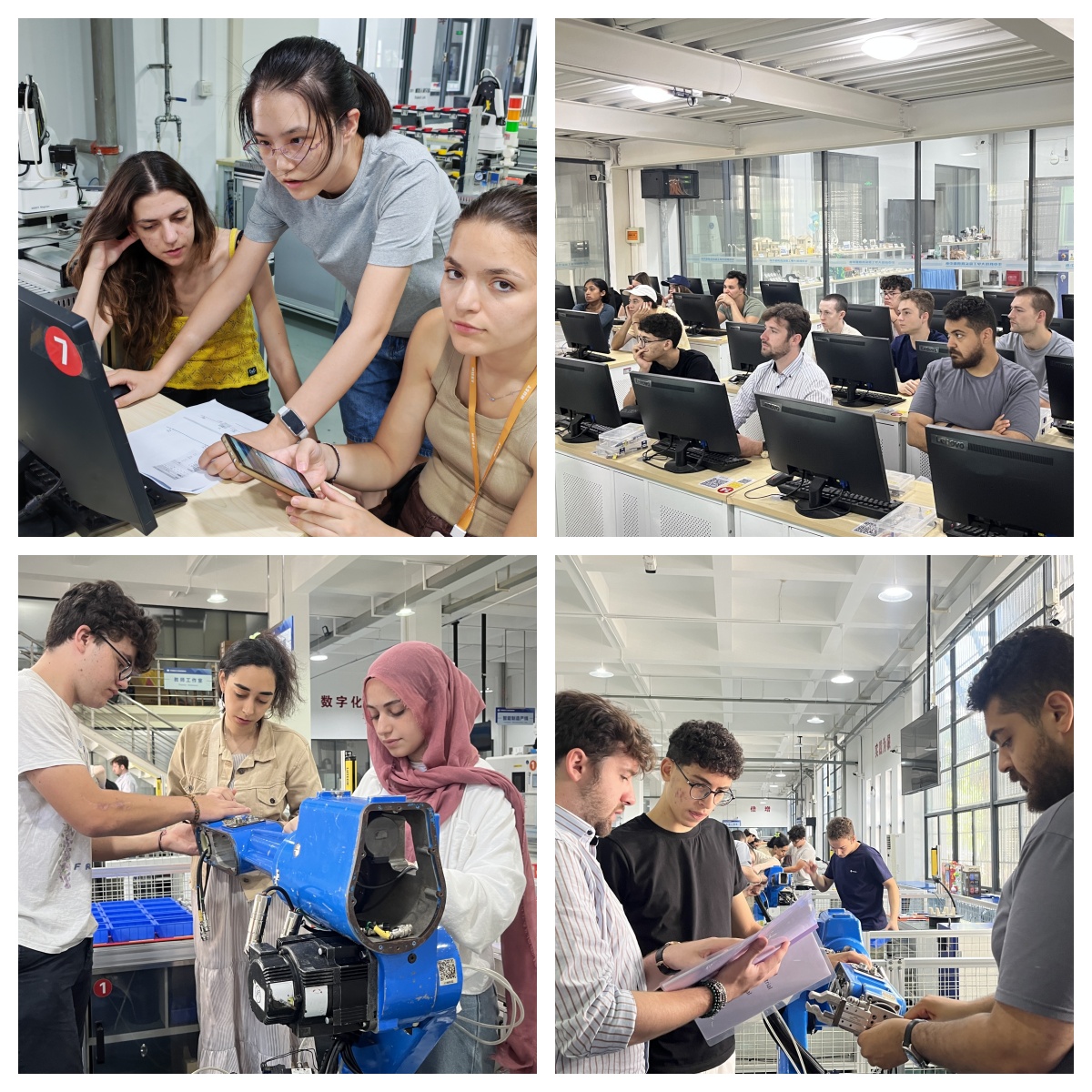
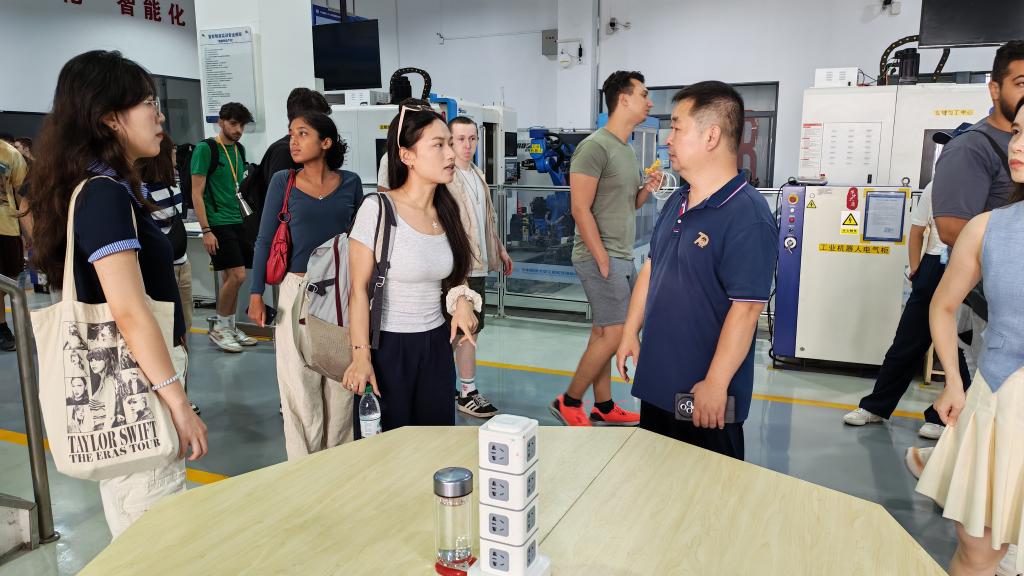
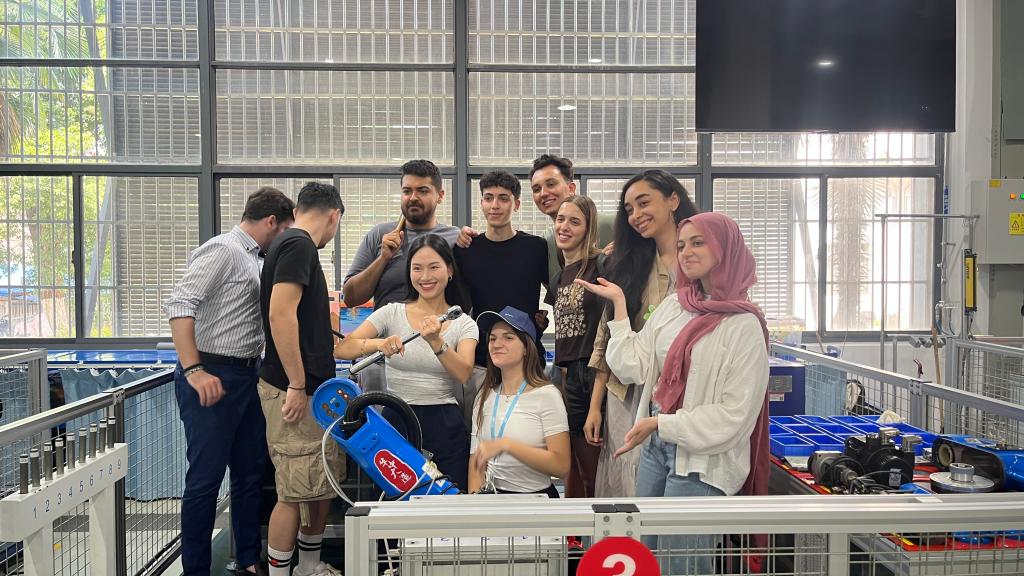
On the morning of July 24, campers attended a dynamic practical course at the Engineering Practice Center of Huazhong University of Science and Technology. The course was divided into two themes: “Fundamentals of Industrial Robots” and “Application of PLC (Programmable Logic Controller)”, from which students could choose freely based on their personal interests.
In the “Fundamentals of Industrial Robots” class, under the guidance of professional engineers Wang Lin and Cheng Pei, the campers systematically learned the basic structure of industrial robots, as well as the principles and processes of industrial robot disassembly and assembly. After the theoretical knowledge was explained, the students formed groups of three and personally completed the disassembly and assembly of robotic arms with their own hands. This experience allowed them to feel the charm of engineering practice, improved their teamwork skills, and stimulated a deeper interest in robotics technology among the campers.
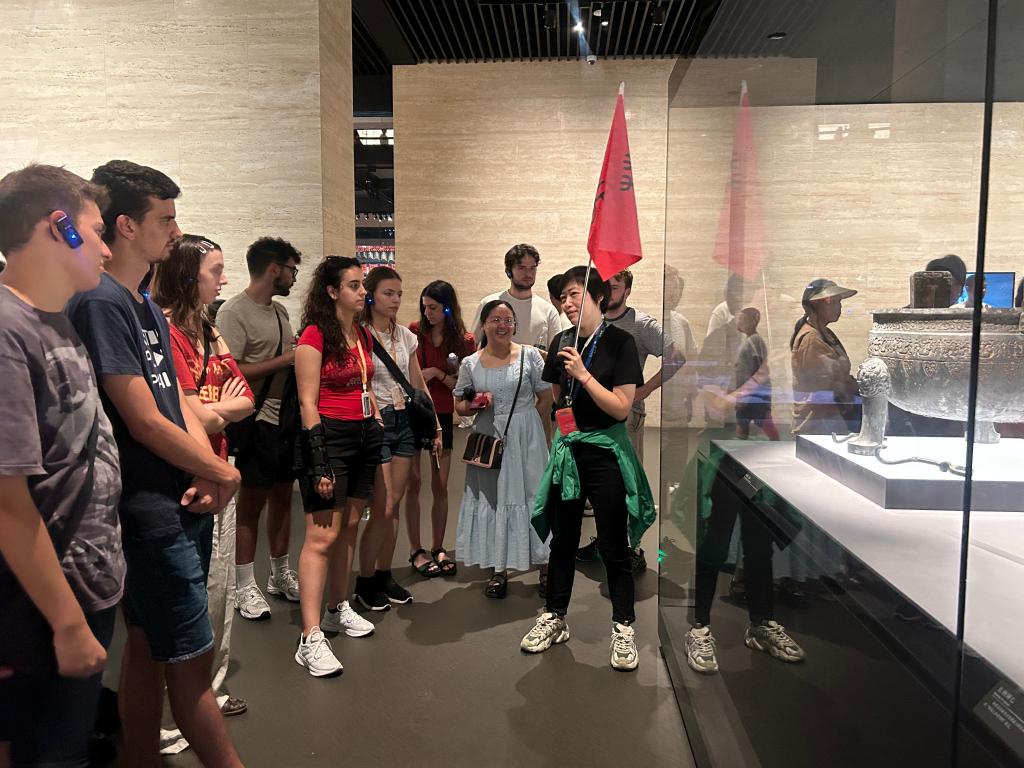
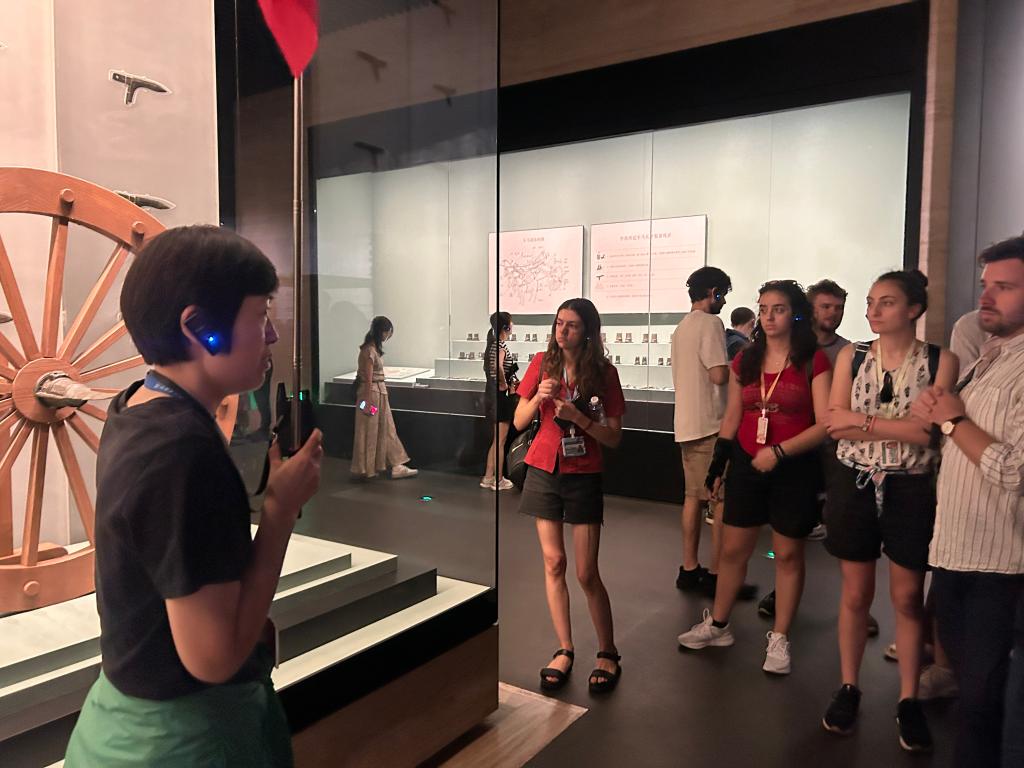
On the morning of July 25, campers visited the Hubei Provincial Museum, embarking on a cross-temporal journey to explore the Hubei civilization. Guided by the tour guide’s explanation, the campers were immediately drawn to the magnificent bronze chime bells. These national treasures, which have survived for over 2,000 years, no longer produce sounds, yet their intricate structure and exquisite artistry still convey the glory of the ritual and musical civilization of the Zhou Dynasty to visitors.
In the “800 Years of the Chu State” exhibition hall, artifacts ranging from chariots used in military affairs to statues dedicated to folk prayers collectively outlined the unique cultural features and spiritual world of the Chu State. These relics provided precious material evidence for the campers from around the world to understand the pattern of “diversity within unity” of Chinese civilization.
Through the integration of theory and practice, as well as the combination of technology and humanities, this series of activities has not only built a professional exchange platform in the field of clean energy for Chinese and international youth but also promoted cross-civilization dialogue with culture as the link.
Campers have all expressed that this innovative research and study model has allowed them to understand the development of China’s new energy technology while deeply experiencing the unique charm of Chinese culture, laying a solid foundation for future international cooperation and cultural exchanges. ICARE will continue to host such activities, contributing wisdom and strength to promoting global green development and building a community with a shared future for mankind.